If you wait for a cat problem to become obvious, you often miss the cheaper, easier stage to deal with it. Cats are skilled at hiding pain, and some of the first clues show up in ordinary routines: a half-finished meal, fewer urine clumps, bad breath, less jumping, a rough coat, or a litter box pattern that suddenly changes. AAHA/AAFP guidance specifically tells owners to watch for subtle signs of illness, pain, and behavior change, and Cornell lists appetite loss, urinary changes, excessive thirst, lethargy, and breathing changes among the signs that deserve prompt attention. (aaha.org)
TL;DR
- Use a once-a-week TAIL Scan: Toilet habits, Appetite and water, Inspection, and Load and mobility. It gives you a repeatable way to catch small changes early. (aaha.org)
- Your weekly reset does not replace daily basics. Litter boxes should still be scooped daily, and food and water bowls should stay clean and away from the litter area. (aaha.org)
- Red flags that should not wait include a cat not eating for about 24 hours, straining to urinate, trouble breathing, or sudden major behavior changes. (vet.cornell.edu)
- For older cats, the routine should be tighter, not looser. AAHA/AAFP says seniors should be examined at least every six months. (aaha.org)
Why a weekly routine works better than good intentions
Weekly care works because it creates a baseline. Slow-building problems such as weight gain, dental disease, stress-related litter box trouble, and reduced mobility rarely announce themselves in one dramatic moment. Cornell notes that obesity is common in cats, and both Cornell and the AVMA describe dental disease as a common, often painful issue that tends to worsen when preventive care does not happen consistently. (vet.cornell.edu)
Think of the weekly session as an audit, not a chore. Daily care keeps the household running. The weekly check turns scattered observations into a pattern you can compare from one Sunday to the next. That matters because when you can say, “Normally she finishes breakfast and makes two or three urine clumps a day,” your veterinarian starts with much better information than, “She has seemed off lately.” (aaha.org)
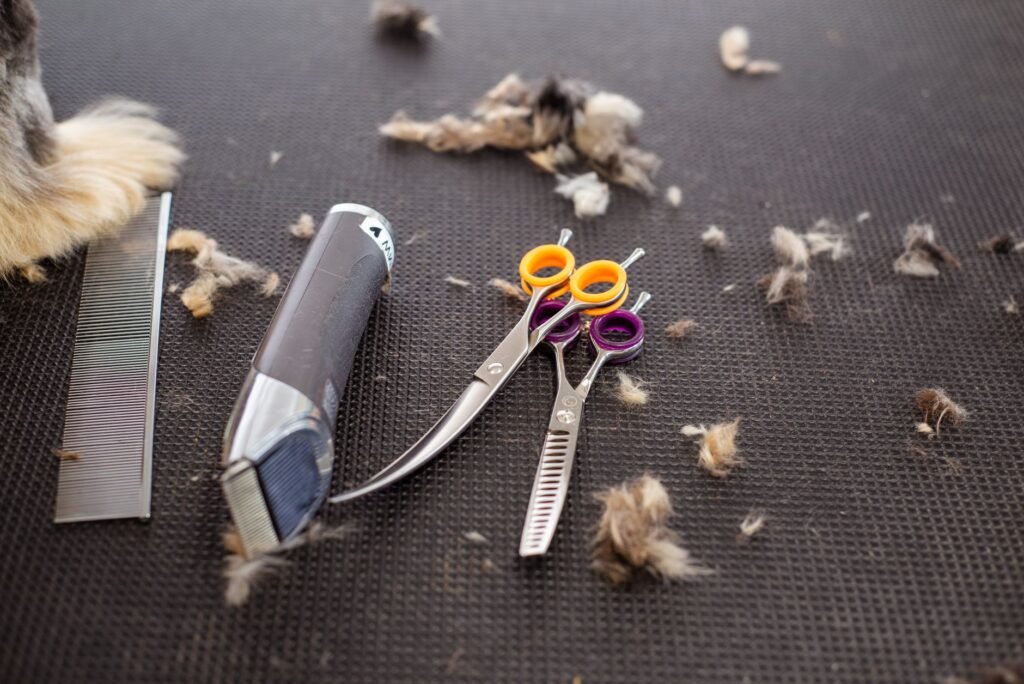
Use the TAIL Scan each week
I suggest you perform the TAIL Scan at least weekly. Keep the scan in the same order, so you do not rely on your memory for what to perform next. Each section of the scan can be scored as follows: 0 for normal, 1 for mild change, or 2 for clear concern. Should you have 1 instance of a score of 2 on any particular section of the scan, that is reason to reach out to your veterinarian. If you accumulate 3 or more total points, you should monitor your pet for the next several days or make an appointment with your veterinarian, depending upon what has changed.
- T – Toilet habits: Count urine clumps, notice stool quality, and note whether your cat is entering, using, and leaving the box normally. Dirty, crowded, noisy, or hard-to-reach boxes can cause avoidance, and sudden house-soiling can also reflect medical problems. (aaha.org)
- A – Appetite and water: Look for leftovers, begging without really eating, sudden thirst, or a bowl that is suddenly ignored. Cornell flags appetite loss, excessive thirst, and urinary changes as meaningful home signs, and appetite loss can become serious quickly. (vet.cornell.edu)
- I – Inspection: Run your hands over the coat, check ears and eyes, glance at the gums, smell the breath, and notice whether nails are catching on fabric. Regular brushing helps you spot skin changes, and persistent bad breath, drooling, or odd chewing can signal dental trouble. (vet.cornell.edu)
- L – Load and mobility: Do a rib-and-waist check, then watch how your cat jumps, climbs, and plays. Obesity is common, increases diabetes risk, and reduced jumping or slower movement may reflect pain rather than “just aging.” (vet.cornell.edu)
Tip: The TAIL Scan is a home triage tool, not a diagnosis. Its job is to help you spot change early, write it down, and decide whether that change is worth a call.
The 20-minute weekly reset
- Scoop, count, and reset the boxes. Scooping should happen daily, but once a week, step back and note how many urine clumps you usually see, whether stool looks normal, and whether the box size and location still work for your cat. (aaha.org)
- Wash food and water dishes, then look for pattern changes. Cornell notes that stale water, dirty bowls, and bowls near litter boxes can deter eating and drinking. (vet.cornell.edu)
- Brush or comb the coat and do a nose-to-tail hands-on check. Look for mats, flea dirt, skin flakes, ear debris, and nails that are getting too sharp or too long. Regular brushing helps you monitor skin and reduce hairball problems. (vet.cornell.edu)
- Peek at the mouth. You are not trying to diagnose teeth at home; you are looking for red gums, drooling, one-sided chewing, or breath that smells clearly wrong. Dental checks belong in regular veterinary care too. (ebusiness.avma.org)
- Do a five-minute play and movement test. Use a wand toy or favorite game and note stalking, pouncing, jumping, and willingness to engage. Daily play supports weight and behavior, and reduced movement can be an early clue that your cat is in pain. (aaha.org)
- Run the rib-and-waist check. The goal is trend spotting, not crash dieting. Cornell warns that sudden starvation dieting can be dangerous for cats. (vet.cornell.edu)
- Check the calendar and the house. Refill preventives, confirm the next exam date, remove unsafe medications from reach, review houseplants, and never use a dog flea product on a cat. (aaha.org)
Once you have a rhythm, this usually takes 15 to 20 minutes. The value is not that every week looks perfect. The value is that you learn what “normal” looks like in your house, for your cat, on paper instead of in hindsight. (aaha.org)
When your checklist finds something off
| What you notice | Why it matters | Best next move |
|---|---|---|
| Cat eats much less or skips food for a day | Appetite loss is a broad clinical sign and can become serious quickly. | Call your veterinarian the same day if your cat has not eaten for about 24 hours, and sooner for kittens or already-sick cats. (vet.cornell.edu) |
| Straining, bloody urine, fewer urine clumps, or avoiding the box | Litter box changes can reflect urinary problems, kidney disease, diabetes, arthritis, or setup stress. | Treat new urinary signs as urgent and call promptly. (vet.cornell.edu) |
| Bad breath, drooling, dropping food, or chewing on one side | Dental disease is common and painful, and some problems need professional cleaning and X-rays. | Book a dental-focused exam, and do not force brushing if the mouth already seems painful. (ebusiness.avma.org) |
| More drinking and peeing, with weight change or hunger change | Those can be home signs of diabetes or other illness. | Schedule a vet visit soon and bring your written notes. (vet.cornell.edu) |
| Less jumping, more hiding, rough coat, or less grooming | Cats with pain, arthritis, or illness often look quieter before they look obviously sick. | Book an exam, especially for cats 10 and older or any cat whose routine changed suddenly. (vet.cornell.edu) |
A realistic household example with numbers
Consider a composite one-cat household. Every Sunday, Sam spends 18 minutes on the TAIL Scan and auto-transfers $12 into a pet sinking fund. That builds a $624 cushion over a year. In week five, Sam’s notes show three changes that would have been easy to dismiss on their own: the cat leaves about 25% of dinner twice, breath turns sour, and play sessions get shorter. Because the pattern is written down, Sam books a vet visit while the problem is still in the “something is off” stage instead of the “weekend emergency” stage. The exact cost depends on the diagnosis, but the financial lesson is simple: observation plus a modest cash buffer can buy time, options, and calmer decisions. (vet.cornell.edu)
Common mistakes that let small issues grow
- Treating the weekly checklist as a substitute for daily care. Boxes still need daily scooping, and bowls need fresh contents. (aaha.org)
- Free-feeding without tracking body condition. Obesity is common, and abrupt calorie cuts can be dangerous in cats. (vet.cornell.edu)
- Ignoring small dental clues such as bad breath, drooling, or head-tilting while eating. (vet.cornell.edu)
- Using human toothpaste or a dog flea product on a cat. Human toothpaste may be unsafe for cats, and some dog flea products can be deadly to them. (vet.cornell.edu)
- Assuming an older cat is “just slowing down.” Less grooming, less jumping, or litter box trouble can point to a treatable pain or mobility problem. (vet.cornell.edu)
When the first plan is not enough
Some homes need a modified version of this routine. In multi-cat households, pooled litter boxes and shared meals can hide which cat changed. In practical terms, that often means using temporary extra boxes or a short stretch of separate feeding so you can identify the cat behind the symptom. Seniors and cats with chronic disease also need a tighter loop with the vet; AAHA/AAFP recommends at least every six months for seniors, and older cats often need easier access to food, water, and litter boxes. (aaha.org)
- If tooth brushing is a battle, ask your veterinary team for a training demo and ask which VOHC-accepted products fit your cat. Evidence-backed alternatives are better than giving up completely. (ebusiness.avma.org)
- If nail trims or grooming are highly stressful, train in tiny increments and stop before the cat escalates. A professional groomer or vet team lesson can be more practical than waiting for mats or overgrown nails. (vet.cornell.edu)
- If your cat is anxious or box-avoidant, widen the environment: more quiet box locations, more scratching options, more hiding spots, and more play. Cats often do better when resources are thoughtfully distributed instead of crowded into one area. (aaha.org)
How to verify the routine is actually helping
- Keep a one-page log with four lines: litter, appetite and water, body and mouth, play and mobility.
- Take a top-down and side photo once a month so slow body-shape and coat changes are easier to see.
- Bring the log to wellness visits and ask your veterinarian to compare your notes with your cat’s weight, body condition, and dental findings. All cats need regular exams, and seniors need them more often. (aaha.org)
- If you change food, litter, or routine, write down the exact date so you do not confuse a product issue with a medical one. (aaha.org)
- Audit your own follow-through once a month. If you are not writing things down, you are probably trusting memory more than you think.
Warning: This article is informational and is not a substitute for veterinary care. Call your veterinarian promptly if your cat stops eating, strains to urinate, has trouble breathing, collapses, or shows a sudden major behavior change. (vet.cornell.edu)
Bottom line
The best weekly cat care checklist is not the longest one. It is the one you will actually repeat. If you can spend 15 to 20 minutes a week checking litter habits, appetite, mouth, coat, weight trend, mobility, and your care calendar, you are more likely to catch problems while they are still manageable and make calmer financial decisions when something does need treatment. (aaha.org)
FAQ
Is a weekly checklist enough if I already scoop every day?
No. Daily scooping and fresh food and water still matter. The weekly checklist is the audit layer that helps you compare patterns over time instead of relying on memory. (aaha.org)
What changes should trigger a same-day call to the vet?
A cat that has not eaten for about 24 hours, any straining to urinate, breathing trouble, collapse, or a sudden major behavior shift deserves prompt veterinary guidance. (vet.cornell.edu)
How do I make this work in a two-cat home?
Start with at least one litter box per cat plus one extra, placed in separate quiet areas. If a pattern changes, temporary separate meals and an extra box can help you identify which cat is affected. That last step is an at-home inference, but it follows directly from the need to monitor individual elimination and feeding patterns. (aaha.org)
What if my cat refuses tooth brushing?
Go gradually, use only cat-specific dental products, and ask your veterinary team about VOHC-accepted options. Do not use human toothpaste, and do not force brushing if your cat’s mouth already seems painful. (vet.cornell.edu)
Does the checklist change for senior cats?
Yes. Older cats often need lower-entry litter boxes, easier access to food and water, more grooming help, and more frequent exams. AAHA/AAFP says seniors should be seen at least every six months. (aaha.org)
Do indoor cats still need a hazard check?
Yes. Common household medications, cleaners, and toxic plants still matter, flea problems can begin indoors, and dog flea products can be toxic to cats. (fda.gov)
References
- AAHA/AAFP: General Litter Box Considerations – https://www.aaha.org/resources/2021-aaha-aafp-feline-life-stage-guidelines/general-litter-box-considerations/
- AAHA/AAFP: Life Stage Checklists – https://www.aaha.org/resources/2021-aaha-aafp-feline-life-stage-guidelines/life-stage-checklists/
- Cornell Feline Health Center: Choosing and Caring for Your New Cat – https://www.vet.cornell.edu/departments-centers-and-institutes/cornell-feline-health-center/health-information/feline-health-topics/choosing-and-caring-your-new-cat
- Cornell Feline Health Center: Feeding Your Cat – https://www.vet.cornell.edu/departments-centers-and-institutes/cornell-feline-health-center/health-information/feline-health-topics/feeding-your-cat
- Cornell Feline Health Center: Obesity – https://www.vet.cornell.edu/departments-centers-and-institutes/cornell-feline-health-center/health-information/feline-health-topics/obesity
- Cornell Feline Health Center: Anorexia – https://www.vet.cornell.edu/departments-centers-and-institutes/cornell-feline-health-center/health-information/feline-health-topics/anorexia
- Cornell Feline Health Center: Bad Breath: Sign of Illness? – https://www.vet.cornell.edu/departments-centers-and-institutes/cornell-feline-health-center/health-information/feline-health-topics/bad-breath-sign-illness
- Cornell Feline Health Center: Feline Dental Disease – https://www.vet.cornell.edu/departments-centers-and-institutes/cornell-feline-health-center/health-information/feline-health-topics/feline-dental-disease
- American Veterinary Medical Association: Pet Dental Care Brochure – https://ebusiness.avma.org/files/productdownloads/petdentalcare_brochure.pdf
- Veterinary Oral Health Council: Accepted Products – https://vohc.org/accepted-products/
- FDA: Potentially Dangerous Items for Your Pet – https://www.fda.gov/animal-veterinary/animal-health-literacy/potentially-dangerous-items-your-pet
- ASPCA: Toxic and Non-Toxic Plant List for Cats – https://www.aspca.org/pet-care/animal-poison-control/cats-plant-list%20/t%20_blank)